- Home
- Módulos de comunicación de tarjetas seriales Yokogawa ACM22RS-422/485


Oferta
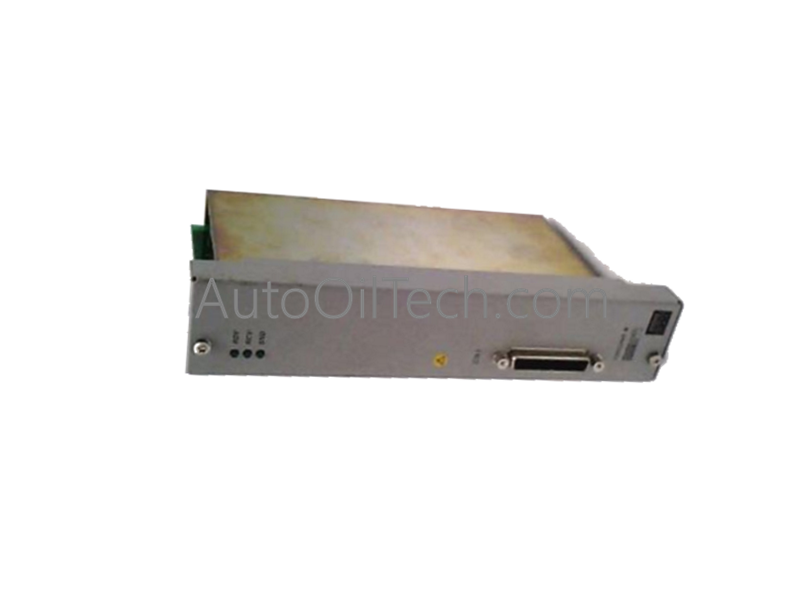
Módulos de comunicación de tarjetas seriales Yokogawa ACM22RS-422/485
No reviews
In stock!
- Part Number: ACM22RS-422/485
- Brand: Yokogawa
- Type: Módulos de comunicación
- Dimensions: 3,3 x 10,7 x 13 cm
- Country of Origin: Japón
- Barcode: 8537101190
Compartir
Additional Specifications
| Color / Pattern |
|
| Power Source |
|
| Controller Design |
|
Tags:
Communication Modules
,
YOKOGAWA
Descripción del Producto
El Yokogawa ACM22RS-422/485 sirve como el Módulo de Comunicación ACM22RS principal utilizado para ejecutar el enrutamiento de datos determinístico a través de plataformas de sistemas de control de producción integrados. Esta tarjeta de hardware establece una interfaz de enlace físico multipunto para mapear variables de registro y métricas de proceso entre redes de instrumentación de campo y la arquitectura de control central.
Especificaciones del hardware
| Parámetro | Especificación |
|---|---|
| Modelo | ACM22RS-422/485 |
| Marca | Yokogawa Electric Corporation |
| Origen | Japón |
| Peso | Perfil de peso estándar de un nido de tarjeta Yokogawa |
| Dimensiones | Coincide con las configuraciones de ranura de nido de sistema estándar de Yokogawa |
| Temperatura de funcionamiento | Límites estándar del entorno de sala de control industrial |
| Consumo de energía | Suministrado a través de las líneas de alimentación de la placa posterior del nido del sistema integrado |
| Tipo de producto | Tarjeta de comunicación de propósito general |
| Configuración del puerto serie | Interfaz diferencial de doble protocolo: RS-422 o RS-485 |
| Diseño del protocolo físico | Señalización diferencial seleccionable por software o definida por puente |
| Modo de transmisión | Ejecución de datos diferencial asíncrona y balanceada |
Instrumentación de control de procesos y comunicación DCS
La tarjeta de comunicación establece matrices de acondicionamiento de red localizadas para mantener actualizaciones estables de bucle a través de dominios de control distribuidos separados. Al vincular tendencias de datos entre instrumentos de campo —incluidos los parámetros gestionados a través del protocolo de bucle HART de 4-20 mA— y la arquitectura de control central, la unidad procesa bloques de datos asíncronos a través de una capa física RS-422 o RS-485.
Preguntas frecuentes
P: ¿Cómo mejora la señalización diferencial del módulo ACM22RS-422/485 la fiabilidad de la comunicación en comparación con las variantes RS-232C?
R: RS-422 y RS-485 utilizan señales de voltaje diferencial balanceadas sobre cableado de par trenzado en lugar de señales de un solo extremo referenciadas a una tierra común. Este diseño de hardware permite que el módulo rechace el ruido de modo común de alta frecuencia y la interferencia electromagnética, extendiendo la distancia de transmisión estable hasta 1200 metros (4000 pies).
P: ¿Cuál es la principal diferencia en la ejecución de la topología de red entre las configuraciones RS-422 y RS-485 en esta tarjeta?
R: La configuración RS-422 funciona como una topología punto a multipunto, dúplex completo, utilizando pares de cables de transmisión y recepción separados para un flujo de datos bidireccional simultáneo. La configuración RS-485 funciona como una topología de bus multipunto, semidúplex, utilizando un solo par de cables compartido, lo que permite que hasta 32 dispositivos de campo se comuniquen en la misma secuencia de troncal.
Have a question?