- Home
- Yokogawa ACM12 S1 Serie CENTUM | Módulos de comunicación


Oferta
Yokogawa ACM12 S1 Serie CENTUM | Módulos de comunicación
No reviews
In stock!
- Part Number: ACM12 S1
- Brand: Yokogawa
- Type: Módulo de comunicación
- Dimensions: 3,3 x 10,7 x 13 cm
- Country of Origin: Japón
- Barcode: 8537101190
Compartir
Additional Specifications
| Color / Pattern |
|
| Power Source |
|
| Communication Protocols |
|
| Controller Design |
|
Tags:
Communication Module
,
YOKOGAWA
Descripción del Producto
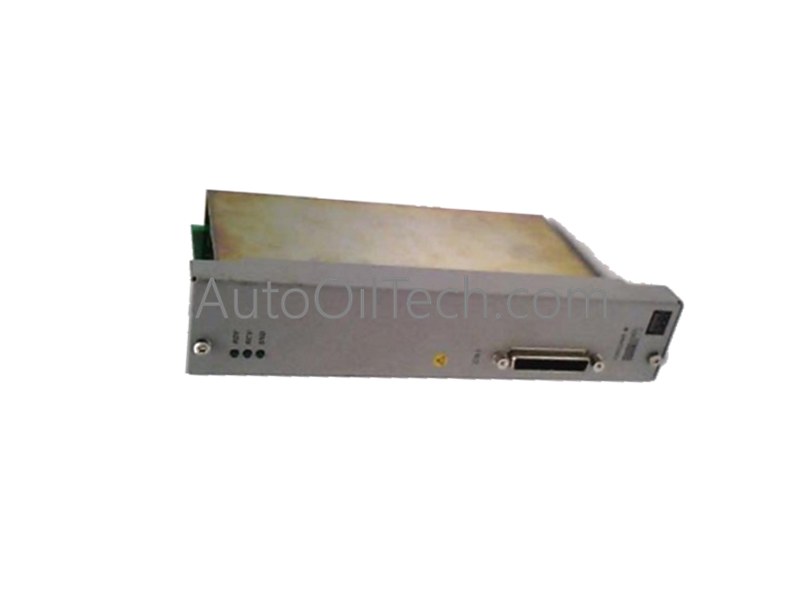
El Yokogawa ACM12 S1 funciona como el Módulo de Comunicación ACM12 principal utilizado para ejecutar el enrutamiento determinista de datos en serie a través de plataformas de sistemas de control de producción integrados. Este subconjunto de hardware establece rutas de enlace físico RS-232C dedicadas para transferir variables de registro, perfiles de configuración y métricas del sistema entre anidamientos de automatización locales y equipos periféricos externos.
Especificaciones de hardware
| Parámetro | Especificación |
|---|---|
| Modelo | ACM12 S1 (Cadena de catálogo alternativa: ACM12-S1) |
| Marca | Yokogawa Electric Corporation |
| Origen | Japón |
| Peso | 1.90 libras |
| Dimensiones | Perfil de huella de ranura de tarjeta Yokogawa estándar |
| Temperatura de funcionamiento | Límites estándar del entorno de sala de control industrial |
| Consumo de energía | Suministrado a través de líneas de alimentación de la placa posterior del sistema integrado |
| Tipo de producto | Módulo de comunicación |
| Configuración del puerto serie | Interfaz de protocolo estándar RS-232C |
| Tipo de interfaz física | Puertos de conexión serie multipin |
| Diagnóstico de estado | Matrices de indicadores LED de placa frontal local |
| Estado del ciclo de vida | Descatalogado por el fabricante |
Instrumentación de Control de Procesos y Comunicación DCS
El módulo de comunicación implementa matrices de acondicionamiento de red localizadas para mantener actualizaciones de bucle estables en dominios de control distribuido separados. Al vincular tendencias de datos entre instrumentos de campo —incluidos parámetros gestionados a través del protocolo de bucle HART de 4-20 mA— y la arquitectura de control central, la unidad procesa bloques de datos asíncronos a través de su capa física RS-232C.
Para evitar que la propagación del ruido eléctrico de modo común distorsione los registros digitales, el hardware cuenta con circuitos de aislamiento canal a canal incorporados. Esta topología desacoplada bloquea las corrientes de bucle de tierra originadas por el cableado serie largo y enrutado en campo, estabilizando las rutinas de empaquetado de datos y aplicando una estricta compatibilidad de datos de firmware en toda la infraestructura de red CENTUM.
Preguntas frecuentes
P: ¿Cuáles son los límites de longitud de cable y diseño físico para el canal RS-232C integrado?
R: La interfaz RS-232C utiliza rutas de señalización de un solo extremo que comparten una referencia de tierra común. Debido a que carece de un perfil eléctrico diferencial, las líneas deben mantenerse dentro de los límites de ingeniería estándar (generalmente menos de 15 metros / 50 pies) para evitar que la interferencia electromagnética externa introduzca errores de bit en el flujo de datos.
P: ¿Cómo ayudan los LED de diagnóstico internos a verificar las transacciones activas de enlace serie?
R: El panel frontal incluye matrices de LED dedicadas que se conectan directamente a las líneas internas de transmisión (Tx) y recepción (Rx). Los patrones de parpadeo rápido confirman la transmisión continua y de alta velocidad de tramas de datos, mientras que un estado completamente oscuro alerta al técnico sobre roturas físicas de cables, configuraciones de pines incorrectas o pérdida total de energía del hardware.
Have a question?