- Home
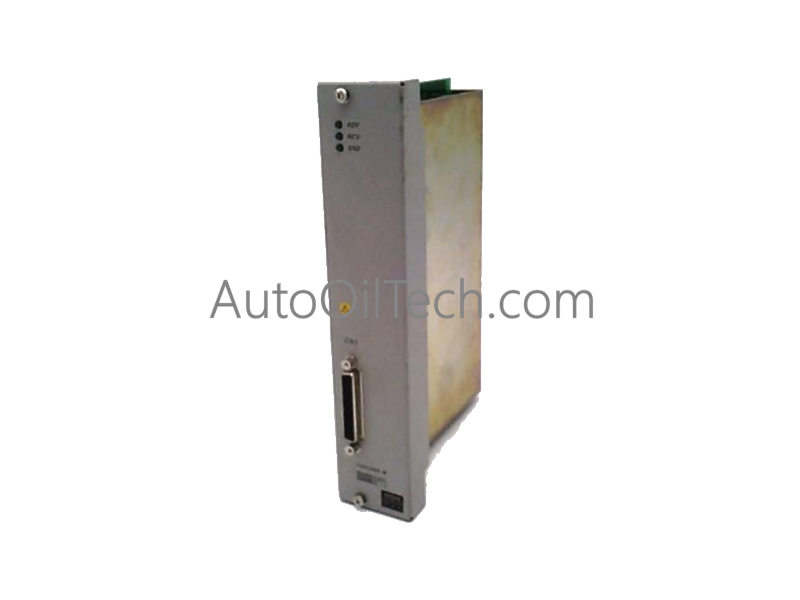
- Módulo de comunicación ACM11-S2 Yokogawa | Serie CENTUM


Oferta
Módulo de comunicación ACM11-S2 Yokogawa | Serie CENTUM
No reviews
In stock!
- Part Number: ACM11-S2
- Brand: Yokogawa
- Type: Módulo de comunicación
- Dimensions: 3,3 x 10,7 x 13 cm
- Country of Origin: Japón
- Barcode: 8537101190
Compartir
Additional Specifications
| Color / Pattern |
|
| Power Source |
|
| Controller Design |
|
Tags:
Communication Module
,
YOKOGAWA
Descripción del Producto
Configurado para arbitraje de datos en serie y tareas de interfaz de red dentro de redes de control industrial, el Yokogawa ACM11-S2 (Módulo de Comunicación ACM11) proporciona ejecución física/eléctrica directa. Esta plataforma de hardware de microprocesamiento establece rutas de enlace RS-232C dedicadas para reflejar variables de registro y datos de diagnóstico entre segmentos de nodos locales y nodos informáticos externos.
Especificaciones de hardware
| Parámetro | Especificación |
|---|---|
| Modelo | ACM11-S2 |
| Marca | Yokogawa Electric Corporation |
| Origen | Japón |
| Peso | 1.90 lbs |
| Dimensiones | Perfil estándar de la ranura para tarjetas Yokogawa |
| Temperatura de funcionamiento | Límites del entorno estándar de la sala de control industrial |
| Consumo de energía | Alimentado a través de rieles de distribución de energía de backplane común |
| Tipo de producto | Módulo de comunicación |
| Interfaz serie | Configuración de línea de protocolo estándar RS-232C |
| Conexión física | Puertos de conexión multipin de interfaz serie estándar |
| Indicadores de estado | Matrices de LED de diagnóstico en la placa frontal local |
Instrumentación de Control de Procesos y Comunicación DCS
El módulo de comunicación implementa un núcleo transceptor serie especializado para mantener velocidades de datos estables en nodos de sistemas de control heredados y contemporáneos. La imposición de una estricta verificación de compatibilidad de firmware flash en todos los marcos de datos permite que el hardware transmita valores de registro a través del enlace RS-232C sin introducir latencias de comunicación. Las transmisiones en serie sin procesar pasan a través de circuitos de aislamiento interno de canal a canal diseñados para bloquear el ruido de modo común y evitar que las corrientes de bucle de tierra degraden las señales de instrumentación activas. Esta topología aislada estabiliza las rutinas de empaquetado de datos, entregando una traducción de señal determinista directamente a matrices de red CENTUM centrales o terminales de monitoreo externos.
Preguntas frecuentes
P: ¿Cuáles son las limitaciones eléctricas con respecto al canal de comunicación RS-232C integrado?
R: La interfaz RS-232C cumple con los parámetros eléctricos unifilares estándar, diseñada para bucles de comunicación punto a punto. Debido a que carece de señalización diferencial, las distancias de los cables deben permanecer dentro de los límites de ingeniería estándar (típicamente 15 metros / 50 pies) para evitar la inducción de ruido y la atenuación de la señal.
P: ¿Cómo protege la arquitectura de aislamiento de canal a canal el backplane del sistema subyacente?
R: Las barreras de aislamiento galvánico integradas desacoplan las líneas físicas RS-232C externas del lado del campo de la lógica sensible del backplane interno. Este diseño bloquea las sobretensiones eléctricas aéreas, los picos inductivos o los fallos de cableado incorrectos en la línea serie para que no se propaguen a los nidos de control centrales.
Have a question?