Por qué Emerson está evolucionando más allá de la etiqueta industrial cíclica tradicional
Las carteras de software de alto valor estabilizan el rendimiento durante las fluctuaciones del mercado
La transformación estratégica de Emerson es claramente visible en sus métricas financieras. En el segundo trimestre del año fiscal 2026, la compañía reportó ventas netas de 4.560 millones de dólares, un aumento del 3 % interanual, complementado por un aumento del 5 % en los pedidos subyacentes. Fundamentalmente, sus ganancias por acción (BPA) ajustadas aumentaron un 4 % hasta los 1,54 dólares, superando los márgenes de beneficio las expectativas iniciales a pesar de las tensiones geopolíticas en Oriente Medio. Este rendimiento destaca una realidad crítica: los motores de crecimiento centrales de Emerson están cada vez más desvinculados de los ciclos de volumen industrial estándar, dependiendo en cambio de integraciones de software de alto margen.
Las carteras de pedidos récord proporcionan una alta visibilidad de los ingresos
En los programas de automatización industrial de ciclo largo (Nota: Este enlace dirige a un catálogo completo de productos de automatización industrial premium), las fluctuaciones de ventas a corto plazo a menudo ocultan la verdadera fortaleza operativa de una empresa. Para Emerson, los indicadores prospectivos como el impulso de los pedidos y la salud de la cartera ofrecen una visión mucho mejor que los datos de ingresos trimestrales. Según sus presentaciones regulatorias del segundo trimestre de 2026, las obligaciones de rendimiento restantes de la compañía alcanzaron aproximadamente los 9.500 millones de dólares. La gerencia espera convertir aproximadamente el 75 % de esta sólida cartera en ingresos reconocidos durante los próximos 12 meses, lo que proporciona una estabilidad excepcional y un aislamiento de las caídas macroeconómicas repentinas.
Las adquisiciones de alto valor profundizan las relaciones de la capa de control
Este cambio operativo es impulsado por una reestructuración corporativa intencional, con las operaciones ahora divididas en dos segmentos principales: Dispositivos Inteligentes y Software y Control. Las adquisiciones clave han impulsado esta evolución. Por ejemplo, Emerson completó su adquisición de 8.200 millones de dólares de National Instruments (NI), integrando sistemas avanzados de prueba y medición automatizados en su ecosistema. Además, la compañía finalizó su compra de AspenTech, asegurando la propiedad completa del software de optimización industrial premium. Estos activos fomentan relaciones duraderas con los clientes y generan flujos de ingresos predecibles y recurrentes al posicionar a Emerson en la capa central de toma de decisiones de los flujos de trabajo de fabricación.
La combinación favorable de productos impulsa la expansión del margen
Los beneficios estructurales de esta combinación centrada en el software ya están transformando el perfil de rentabilidad de Emerson. En los últimos trimestres, las ganancias corporativas antes de impuestos aumentaron de 629 millones de dólares a 793 millones de dólares, impulsando una expansión del margen corporativo antes de impuestos al 17,4 %. Si bien el crecimiento del volumen de ventas subyacente se mantuvo en un modesto 0,5 %, el elevado componente de software dentro de la combinación de productos permitió a la empresa superar fácilmente las expectativas de ganancias. Esta dinámica demuestra que Emerson ya no requiere un auge de gastos de capital para expandir la calidad de sus ganancias; las configuraciones de productos internas optimizadas pueden elevar toda la empresa.
Comentario de la industria: La transición a un compuesto de software de automatización
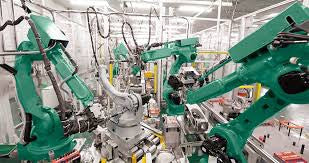
La evolución de las modernas instalaciones de producción demuestra que los marcos industriales heredados están cediendo rápidamente el paso a los ecosistemas inteligentes. La arquitectura actual de Emerson abarca instrumentación inteligente, sistemas de control avanzados (Nota: Este enlace dirige a un catálogo completo de productos de automatización industrial premium) y software de diseño de ingeniería en los sectores de fabricación de procesos, híbrida y discreta. En mi opinión, juzgar esta empresa rediseñada según los estándares cíclicos tradicionales es un error fundamental. Al poseer tanto la capa de dispositivos de campo físicos como la capa de software analítico de nivel superior, Emerson opera como un compuesto de software de automatización resistente, capturando valor sostenible en cada etapa del ciclo de vida industrial moderno.


