- control systems, edge computing, factory automation, industrial AI, Industry 4.0, Physical AI
- SHAOXIANYUE
The Next Trillion-Dollar Frontier: Why Industrial AI and Edge Computing Matter
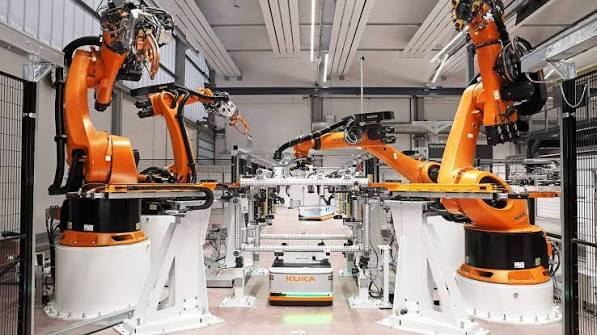
While global markets fixate on generative AI, the industrial AI sector is quietly becoming a trillion-dollar battleground. Emerson Electric, a leader in industrial automation, recently announced strategic partnerships to secure its position in energy, automation, and edge AI. By collaborating with industry giants like Saudi Aramco and AI hardware innovators like SiMa.ai, Emerson is actively bridging the gap between digital potential and physical execution.
Revolutionizing Industrial Edge Computing
Emerson’s partnership with SiMa.ai represents a pivotal shift toward industrial edge computing. In the past, factory automation relied on sending data to the cloud for analysis. However, in sectors like petrochemicals or mining, even a few seconds of latency can lead to massive operational losses. Therefore, Emerson is integrating AI computing directly into industrial-grade control systems. This allows equipment to perform real-time data analysis and decision-making on-site, effectively eliminating the delays inherent in cloud-based models.
Defining the Rise of Physical AI
Unlike ChatGPT, which processes text and knowledge, "Physical AI" focuses on the real-world interaction between machines and their environment. Examples include industrial robots, smart factory systems, and autonomous energy infrastructure. This technology enables machines to monitor variables like temperature, pressure, and vibration with millisecond precision. Consequently, Emerson is successfully transforming itself from a traditional hardware supplier into a high-margin provider of software and control systems solutions.
Market Outlook: Challenges and Growth Potential
The global industrial AI market is poised for rapid expansion, particularly in energy, manufacturing, and logistics. Despite this, manufacturers face short-term hurdles, such as sluggish recoveries in the European and Chinese markets. For investors, the primary concern remains the commercialization of AI. Analysts suggest that if Emerson successfully scales its software and AI offerings, the company could see sustained profitability through 2029. While global economic uncertainty persists, the long-term shift toward automated, data-driven manufacturing remains a clear trend.
The Broader Impact on Global Manufacturing
The AI industry is moving decisively from data centers to factory floors. While GPUs and large language models captured initial attention, industrial AI, robotics, and edge computing are the true drivers of global productivity. This shift represents a significant opportunity for nations like Taiwan. With its deep expertise in industrial computers, PLC architecture, sensors, and smart manufacturing, the Taiwanese supply chain is perfectly positioned to capture the next wave of industrial AI growth.
Application Case: Real-Time Corrosion Management
The collaboration between Emerson and Saudi Aramco highlights the practical benefits of industrial AI:
- Real-Time Monitoring: Deploy digital corrosion management systems to track equipment integrity 24/7.
- Predictive Maintenance: Use AI analysis to anticipate hardware failure, significantly reducing unplanned downtime.
- Cost Efficiency: Automate routine inspections to lower maintenance overhead and improve safety protocols.
- Decision-Making: Empower local systems to react to environmental changes without waiting for central cloud processing.


