Honeywell CEO Vimal Kapur Details AI Growth Leap Post-Aerospace Spin-Off
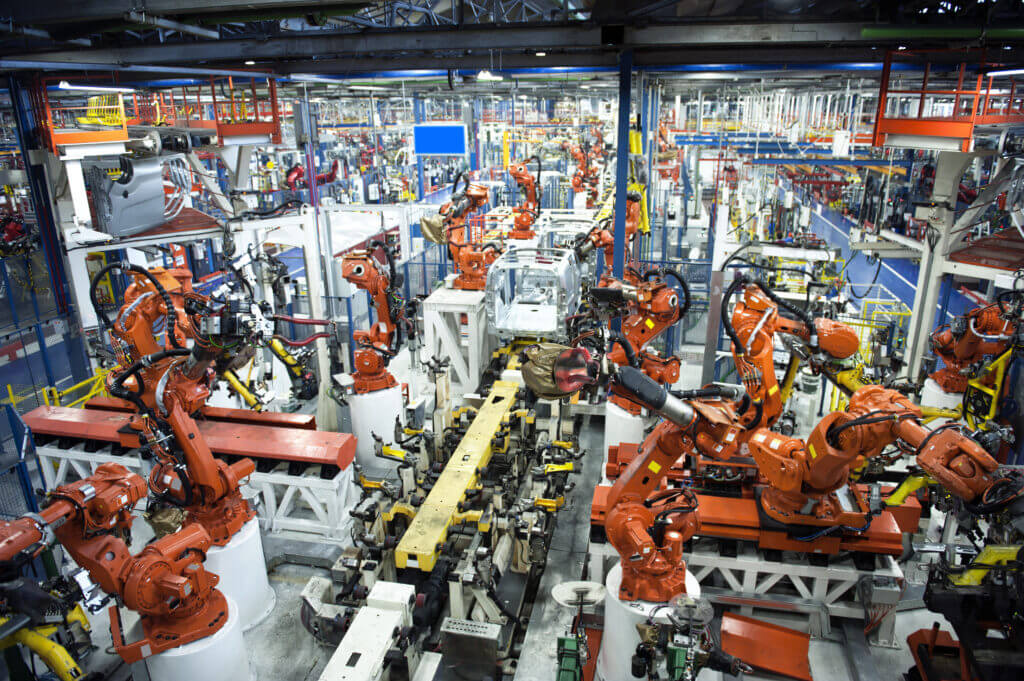
Honeywell’s multi-year corporate restructuring highlights a deliberate shift away from the sprawling conglomerate models of the past. The upcoming separation of its mature aerospace business completes a major portfolio simplification, following the spin-off of its Solstice Advanced Materials division. This streamlined structure allows the independent enterprise to focus its engineering resources entirely on high-margin software and hardware controls. Moving forward, the company's core commercial operations will target critical infrastructure processing sectors. These specialized markets include global data centers, advanced semiconductor fabrication facilities, large-scale hospitals, transport hubs, and liquefied natural gas (LNG) production plants.
Physical AI Transforms Mass Operational Data into Actionable Insights
Many tech firms focus on generative algorithms for office tasks, but Honeywell is pioneering "Physical AI" to optimize heavy machinery and facility workflows. Modern industrial plants already generate immense quantities of real-time operational data through embedded field sensors and automated loops. However, legacy frameworks often leave this valuable information siloed or unanalyzed. Integrating advanced reasoning models directly into the control layer changes this dynamic. The unified system can automatically interpret complex thermodynamic variations, predict equipment failure points, and adjust processes in real time to maximize plant efficiency.
Shrinking Global Workforce Demographics Accelerate Automation Adoption
The rapid adoption of software-defined control layers is driven by a severe, multi-generational demographic shift in the global industrial workforce. Heavy processing industries face a shrinking talent pool as experienced control panel operators and field technicians retire faster than they can be replaced. CEO Vimal Kapur noted that net global workforce availability will steadily contract over the coming decades. To maintain baseline production capacities, enterprises must adopt advanced technological infrastructure. Deploying intelligent systems allows companies to manage complex, multi-site industrial ecosystems with fewer specialized personnel on the factory floor.
Enterprise Clients Prioritize Software Optimization to Drive Top-Line Revenue
Historically, corporate procurement teams viewed factory updates primarily as defensive strategies to cut headcounts or reduce baseline maintenance expenses. Today, the integration of intelligent software stacks has flipped this economic perspective completely. Modern industrial operators view digital upgrades as offensive tools designed to maximize production yields and discover new revenue opportunities. For example, optimizing an LNG distillation column's temperature by a fraction of a percent directly boosts daily output. This approach allows chemical and energy conglomerates to expand their margins without building expensive new physical processing lines.
Application Scenarios for Honeywell's Pure-Play Automation Stack
- Predictive Asset Optimization: Utilizing Physical AI to analyze real-time vibration signatures in semiconductor cleanrooms, adjusting HVAC controls to prevent micro-contamination.
- Autonomous LNG Throughput Tuning: Deploying intelligent control systems (Note: This link directs to a comprehensive catalog of premium industrial automation products) to dynamically balance pressures inside liquefaction loops, maximizing fuel output based on ambient weather data.
- Cognitive Load Reduction in Data Centers: Linking building industrial automation networks with AI agents to isolate electrical faults instantly, routing backup power without human intervention.
- Demographic Knowledge Preservation: Converting historical, handwritten equipment logbooks into interactive digital twins to guide junior technicians through complex plant restarts.


